Dental Crowns Los Angeles CA: Answers to Your Most Asked Questions
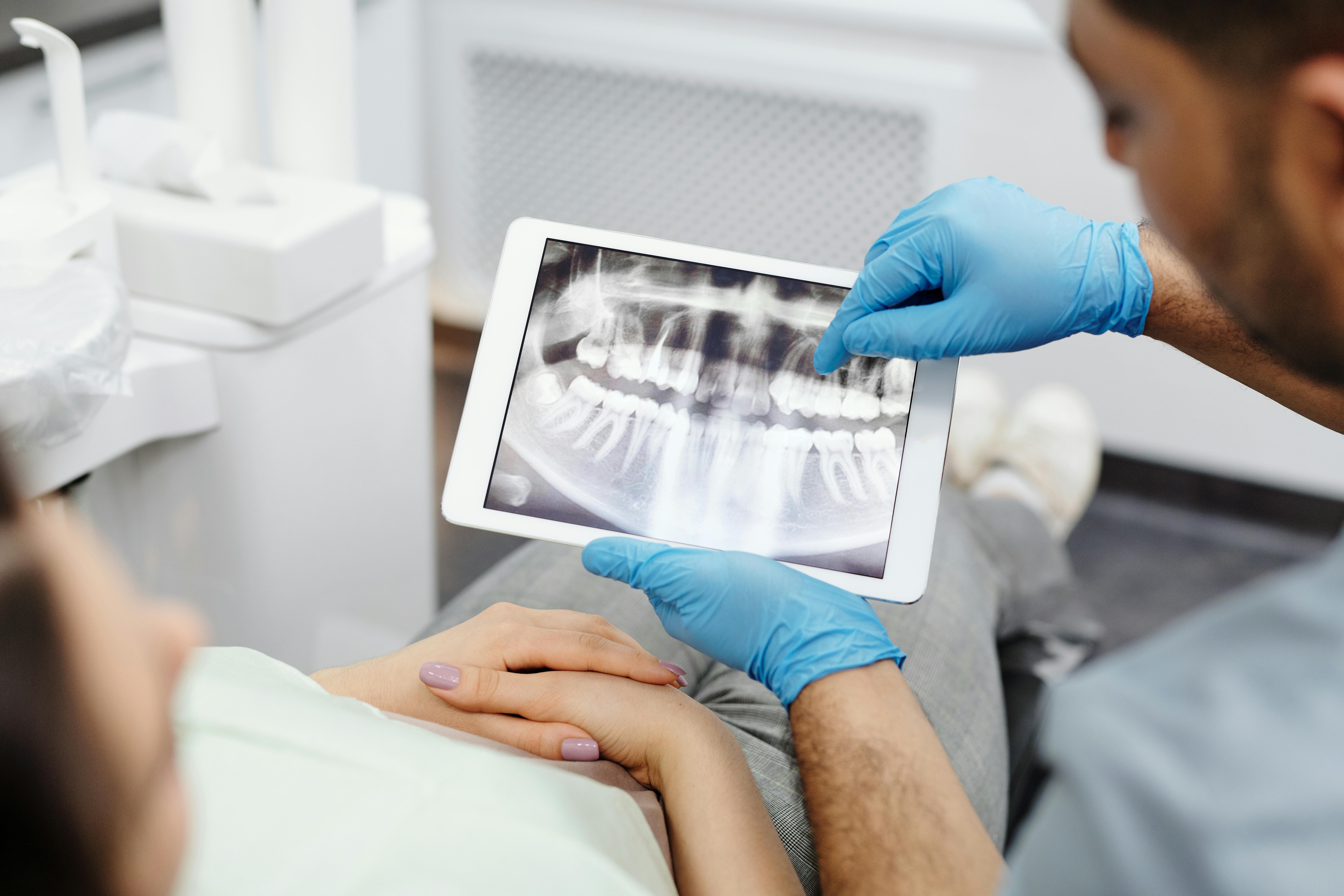
If you have been told you may need a crown, the recommendation can feel both routine and surprisingly vague. Most people have heard of dental crowns, but many are not clear on what they actually do, how long they last, what they cost, or whether getting one will hurt. Those questions become even more common in a city like Los Angeles, where patients often balance function, appearance, timing, and budget all at once.
Dental crowns are one of the most useful tools in restorative dentistry. They can protect a weak tooth, rebuild a broken one, improve the look of a front tooth, and restore strength after root canal treatment. They are common, but they are not one size fits all. The right crown for a back molar that handles years of heavy chewing is not always the same choice as Dental Crowns Los Angeles CA the right crown for a visible front tooth under bright California sunlight.
When patients ask about Dental Crowns Los Angeles CA, they are usually asking more than one thing. They want to know whether a crown is necessary, what material makes sense, how many visits it takes, what insurance may cover, and how to avoid replacing it too soon. Those are good questions, and the answers depend on details that matter more than people expect.
What a dental crown actually is
A dental crown is a custom-made covering that fits over a damaged or heavily restored tooth. Think of it as a protective outer shell that restores the tooth’s shape, strength, and appearance. Unlike a filling, which replaces a portion of the tooth, a crown covers most or all of the visible part above the gumline.
That distinction matters. A filling works well when enough healthy tooth structure remains. A crown becomes more appropriate when the tooth has cracked, lost a large amount of enamel, fractured around an old filling, or been weakened by decay or root canal treatment. In those cases, the goal is not just to patch a hole. It is to help the tooth survive normal chewing forces without breaking further.
Crowns can also be placed on dental implants, though that is a different situation from crowning a natural tooth. Patients sometimes use the same term for both, but the planning is different. A crown on a natural tooth depends on how much healthy structure remains. A crown on an implant depends on the implant position, gum contour, bite alignment, and the connection system used.
Why dentists recommend crowns in the first place
A crown is not usually the first option a conservative dentist reaches for. Most dentists prefer to preserve as much natural tooth as possible. That said, there are many times when a crown is the most predictable long-term choice.
A common example is the tooth with a very large old silver filling. The filling may have served well for fifteen or twenty years, but over time the tooth around it can weaken. You may not feel pain. You may just notice a little sensitivity or a fine crack line. Once too much of the natural tooth has been replaced, a new filling may not hold the remaining walls together well enough. That is where a crown often makes more sense.
Another common situation is after root canal treatment. A tooth that has had a root canal is not dead in the way people often imagine, but it is more brittle and more likely to fracture under pressure, especially if it is a molar. Many back teeth that receive root canal treatment benefit from crown coverage soon after, because the issue is no longer infection alone. It is structural durability.
Front teeth are a different conversation. If a front tooth is chipped, discolored, worn, or previously restored, a crown may improve both appearance and strength. But the esthetic demands are higher. Shape, translucency, texture, and gum symmetry become part of the decision, not just durability.
How do you know if you really need one?
This is probably the most important question patients ask, and they should ask it. Not every damaged tooth needs a crown. Sometimes a bonded filling or onlay is enough. Sometimes the tooth is too compromised, and a crown is not enough.
A few signs tend to push the recommendation toward a crown:
- A tooth has a large filling that leaves thin remaining walls
- A crack is visible or symptoms suggest a cracked tooth
- The tooth has broken and lost a significant portion of structure
- Root canal treatment has been completed, especially on a molar
- Repeated fillings on the same tooth keep failing
Still, diagnosis is not based on one factor alone. A dentist looks at the tooth’s remaining structure, your bite, whether you grind or clench, the location of the tooth, the condition of the gums, and what is happening on X-rays. Two teeth can look similar to a patient and need very different treatment plans.
I have seen patients surprised when a dentist recommends a crown on a tooth that “doesn’t even hurt.” Pain is not the only measure. Some of the most fracture-prone teeth are quiet until the day a cusp snaps off while chewing something ordinary, like a piece of toast or a nut. On the other hand, I have also seen patients assume a crown is the only option when a tooth can still be restored more conservatively. Good treatment planning lives in that gray area.
Does getting a crown hurt?
Most crown procedures are easier than patients expect. The tooth is numbed thoroughly before it is shaped. During the appointment, the sensation is usually pressure, vibration, and water spray, not pain. If the tooth is already cracked or inflamed, the area can be more sensitive, but local anesthetic generally handles that well.
The soreness people remember often comes after the numbness wears off. The gum around the tooth may feel irritated for a day or two. The jaw may feel tired if the appointment was long. A heavily treated tooth may remain temperature-sensitive for a short time, especially under a temporary crown. That does not automatically mean something is wrong.
What should raise concern is pain that worsens each day, lingering throbbing, sharp pain when biting that does not improve, or a bite that feels obviously too high. When a new crown is even slightly high, the tooth can feel surprisingly sore because it absorbs too much force every time you bite. Fortunately, that is often corrected with a simple adjustment.
What happens during the crown process?
The process varies depending on the office, the material chosen, and whether the office offers same-day technology. In many practices, the crown is completed over two visits. At the first appointment, the dentist removes decay or old restorative material, shapes the tooth, takes an impression or digital scan, and places a temporary crown. At the second visit, the final crown is tried in, adjusted, and cemented.
Same-day crowns compress that timeline. In the right case, the tooth can be prepared, scanned, designed, milled, and bonded or cemented in one appointment. Patients often like the convenience, especially in Los Angeles where work schedules and commutes can make extra visits a headache. But same-day is not always the best option for every tooth or every material. More complex esthetic cases, difficult bite situations, or deep gumline margins may still benefit from a laboratory-made crown.
The temporary crown deserves more respect than it usually gets. It is not meant to last forever, but it protects the prepared tooth, preserves spacing, and helps you function while the final crown is being made. If it comes off, do not ignore it for a week and hope nothing shifts. Teeth move more quickly than most people realize, and a small shift can make seating the final crown more difficult.
Which crown material is best?
There is no universal winner. The best material depends on where the tooth is, how you bite, how much space is available, and how important lifelike appearance is in that area of the mouth.
Porcelain or ceramic crowns are popular because they can look very natural. For front teeth, that matters. A well-made all-ceramic crown can mimic the brightness, translucency, and surface texture of natural enamel better than metal-based options. On premolars and many molars, modern ceramics can also perform very well when properly selected and bonded or cemented.
Zirconia has become especially common because it is strong and versatile. It is often chosen for back teeth and for patients who grind. Some versions are more esthetic than earlier generations, though not every zirconia crown looks as lifelike as the best layered ceramic work on front teeth.
Porcelain-fused-to-metal crowns have been around for a long time and can still be useful, but they are less popular than they once were. They combine a metal substructure with porcelain on the outside. They can be durable, but in some cases a dark line near the gums may become visible over time, especially if the gums recede.
Gold or high noble metal crowns remain excellent restorations for certain back teeth. They wear kindly against opposing teeth and can last a very long time. The reason many patients decline them is not function, but visibility. In Los Angeles, appearance often weighs heavily, and even a far-back molar may matter to patients who smile broadly or work on camera.
How long do dental crowns last?
A realistic answer is that many crowns last somewhere around 10 to 15 years, and plenty last longer. Some fail earlier. Others remain stable for 20 years or more. Longevity depends less on a single advertised material and more on a cluster of factors, including tooth preparation, bite forces, oral hygiene, gum health, cavity risk, and whether the patient clenches or grinds.
The most common reasons crowns need replacement are not dramatic material failures. More often, the issue is decay at the margin, cement washout, fracture of the underlying tooth, gum recession exposing the edge, or persistent bite problems. In other words, the crown can be strong while the supporting environment becomes less favorable.
I have seen beautifully made crowns fail early because the patient had severe nighttime grinding and no night guard. I have also seen very old crowns remain serviceable because the margins stayed clean, the bite was stable, and the patient was meticulous with home care. The crown itself matters, but maintenance matters just as much.
What do crowns cost in Los Angeles?
Fees in Los Angeles vary widely. Geography, office overhead, technology, material choice, the complexity of the case, and the experience of the treating dentist all affect price. In broad terms, many single crowns fall somewhere from the high hundreds into the low thousands per tooth. In some practices, especially for complex cosmetic work or premium laboratory esthetics, fees can go higher.
That range is one reason patients searching for Dental Crowns Los Angeles CA often feel frustrated. They may receive quotes that differ significantly and assume one office is overcharging or another is cutting corners. Sometimes that is true, but often the difference reflects real variables. Not all crowns are made from the same material. Not all impressions or scans are equally accurate. Not all laboratories produce the same level of esthetic and marginal detail. Not all cases involve the same amount of buildup, gum management, or bite refinement.
Insurance may help, but coverage is rarely simple. Many plans cover a percentage of the fee after deductible, often around half, up to annual maximums. Some plans have waiting periods, frequency limits, or clauses requiring proof that the crown is medically necessary rather than purely cosmetic. If a tooth could technically receive a large filling, some plans may cover less than patients expect, even if a crown would be the better long-term choice.
Can a crown be done instead of a root canal?
This is a frequent misunderstanding. A crown and a root canal do different jobs. A crown restores outer structure. A root canal treats infection or irreversible inflammation inside the tooth. One does not replace the other.
If the nerve tissue inside the tooth is badly infected, a crown alone will not solve the problem. The pain may continue or worsen, and infection can spread. On the other hand, a tooth may need a crown because it is cracked or broken without needing a root canal at all. The right sequence depends on the diagnosis.
Sometimes the need becomes clear only after the tooth is prepared or after a temporary crown is placed. A tooth that looked structurally restorable may start showing symptoms of pulpal irritation. That does not always mean the original treatment plan was wrong. Teeth do not read textbooks. Deep decay, old trauma, and pre-existing cracks can make the pulp unpredictable.
What if the tooth under the crown still hurts?
This is one of the more stressful situations for patients because they assume the crown should have “fixed” everything immediately. Persistent discomfort after crown placement can come from several sources, and not all of them mean the crown has failed.
A bite that is too high is a very common culprit. So is irritation from recent dental work, especially if the tooth was already inflamed. Sometimes sensitivity comes from exposed root areas on nearby teeth, not the crowned tooth itself. In other cases, the tooth may have a crack extending deeper than initially visible, or the nerve may need root canal treatment after all.
The timing and quality of the pain help a lot. Sharp pain only on biting points in one direction. Lingering hot sensitivity suggests another. Dull ache with pressure may suggest bite overload. Good dentists listen carefully to those distinctions because the treatment depends on them. The answer might be a quick adjustment, or it might be further evaluation with imaging and pulp testing.
Are crowns noticeable?
A well-made crown should not draw attention to itself. On a front tooth, the goal is not just “white.” The goal is believable. Natural teeth are not one flat shade. They have translucency at the edges, subtle texture, and light variation from gumline to tip. A crown that is too opaque, too uniform, or too bright can look artificial even if the color technically matches the shade tab.
Los Angeles patients often care deeply about smile appearance, and rightly so. Good cosmetic crown work is part dentistry, part materials science, and part visual judgment. That is one reason photos, provisional shaping, and communication with the lab can matter so much in visible areas. A front crown done in isolation may need to match neighboring teeth with remarkable precision. If the adjacent teeth are heavily worn, stained, translucent, or slightly asymmetrical, the crown should harmonize with that reality unless the whole smile is being redesigned.
Back teeth are less esthetically demanding, but they still matter. A bulky crown can feel awkward to the tongue. An overcontoured crown can trap plaque near the gums. A strong crown that is poorly shaped is still a problem.
Do crowns need special care?
The crown itself cannot decay, but the tooth underneath still can, especially at the margin where crown meets tooth. That is why normal home care remains essential. Patients sometimes think a crowned tooth is somehow protected from cavities forever. It is not.
The habits that make the biggest difference are simple:
- Brush thoroughly along the gumline, not just the chewing surface
- Clean between teeth daily with floss or another interdental aid
- Keep regular exams and cleanings so small margin issues are caught early
- Wear a night guard if you clench or grind
- Avoid using teeth as tools for opening packages or biting hard objects
One practical point that gets overlooked is floss technique. Snap floss down aggressively next to a new crown and you may irritate the gums or, in rare cases with a poorly retained temporary, dislodge it. Gentle, controlled flossing is better. If the floss repeatedly shreds in the same spot around a final crown, mention it. That can signal a rough margin or excess cement.
Is a crown always better than a filling?
No, and any honest discussion should say that plainly. Crowns remove more tooth structure than small fillings. If a tooth Dental Crowns Los Angeles CA can be restored predictably with a conservative bonded restoration, that is often preferable. Dentistry is at its best when it balances preservation with durability.
The trouble is that patients often hear “we can try a filling” and interpret that as equal to a crown. It may not be. On a heavily compromised tooth, a large filling can become a short-term solution that fractures a year later, sometimes taking the tooth from repairable to questionable. That does not mean every tooth should be crowned early. It means the trade-off should be explained clearly.
There is also an important middle ground. Onlays and partial coverage restorations can sometimes preserve more natural tooth than a full crown while still protecting weakened cusps. These are excellent options in the right case, though they require careful planning and are not ideal for every tooth.
How do you choose the right dentist for a crown in Los Angeles?
Patients often focus on cost first, but the better question is how thoroughly the office diagnoses, plans, and executes restorative work. A crown that looks good on the day it is placed but traps food, irritates the gums, or throws off the bite is not a bargain.
Pay attention to how the dentist explains why a crown is recommended. Do they show the crack, the decay, the failing filling, or the structural problem on X-rays and photos? Do they discuss alternatives and limitations? Do they ask about grinding, jaw soreness, old fractures, and your cosmetic goals? Those conversations often tell you more than a price sheet.
If the crown is on a front tooth, ask how shade matching is handled and whether the lab work is customized for esthetics. If you have a history of clenching, ask what is being done to protect the restoration long term. If your schedule is tight, ask whether same-day crowns are offered and whether your case is suitable for that approach.
For anyone researching Dental Crowns Los Angeles CA, the best outcome usually comes from matching the treatment to the tooth, the bite, and the patient’s priorities, not from chasing the fastest or cheapest option by default.
Questions worth asking before you start
The most informed patients tend to have smoother experiences, not because complications never happen, but because expectations are realistic and decisions are deliberate. Before committing to treatment, it helps to ask a few direct questions. What exactly is wrong with the tooth right now? What are the alternatives? What material is being recommended and why? Will I need a buildup, a root canal, or a night guard? If this were your tooth, would you crown it?
Those questions do not challenge the dentist in a negative way. They clarify the treatment path. Dentistry is full of choices that are technically acceptable but not identical in long-term value. A good clinician should be comfortable walking you through those differences.
A crown can be one of the best investments you make in a damaged tooth. It can also be the wrong move if the diagnosis is rushed or the underlying problems are not addressed. The key is not just getting a crown. The key is getting the right crown, on the right tooth, for the right reasons.
Simple Dental Vermont
Address: 8914 S Vermont Ave, Los Angeles, CA 90044
Phone number: +13239493000
FAQ About Dental Crowns Los Angeles CA
How much do crowns cost per tooth?
In the United States, a single dental crown typically costs between $800 and $2,500 per tooth without insurance. The ultimate out-of-pocket price depends heavily on the crown material, the location of the tooth, and whether you have dental insurance coverage.
What is the downside of crowns on teeth?
The primary downside of a dental crown is that the procedure permanently removes natural tooth enamel to shape the tooth for the cap.
Why do dentists push for crowns?
Dentists recommend crowns because a large filling cannot provide enough strength when a tooth loses a major portion of its structure or faces heavy chewing pressure.