Dental Crowns Los Angeles CA for Everyday Smile Confidence
A strong smile does quiet work all day long. It helps you speak clearly in meetings, laugh without thinking twice, and order coffee, lunch, or dinner without the small jolt of sensitivity that can come from a damaged tooth. Most people do not spend much time thinking about a single cracked molar or a worn front tooth until it starts affecting comfort, appearance, or both. Then it becomes hard to ignore.
That is where dental crowns often make a real difference. When done well, a crown restores more than a tooth. It restores ease. It lets a person chew normally, speak without self-consciousness, and smile without calculating angles or covering their mouth. For patients looking into Dental Crowns Los Angeles CA, the decision is rarely about cosmetics alone. It is usually a practical choice tied to daily life, work, confidence, and long-term oral health.
Los Angeles adds its own layer to the conversation. People here tend to have packed calendars, public-facing jobs, social lives that move fast, and a strong awareness of personal presentation. At the same time, the city is full of ordinary people dealing with ordinary dental problems, old fillings that have finally failed, teeth weakened by grinding, root canal-treated teeth that need reinforcement, and chips that happened at the worst possible moment. Crowns sit right at the intersection of function and appearance, which is why they remain one of the most useful tools in restorative dentistry.
What a crown actually does
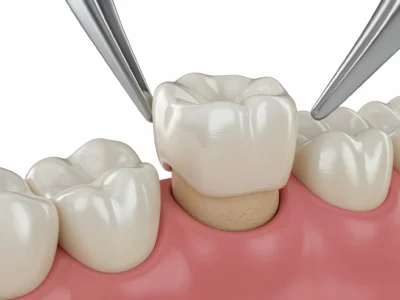
A dental crown is a custom-made cover that fits over a prepared tooth. That simple definition does not capture how much work it can do. A crown can protect a tooth that has cracked but can still be saved. It can restore shape and chewing strength after a large cavity or old filling has compromised too much natural structure. It can finish a root canal treatment by helping the tooth withstand the pressure of daily biting. It can also improve the appearance of a tooth that is badly worn, misshapen, or deeply discolored.
The key point is this: a crown is not a shortcut. It is a structural solution. Dentists recommend crowns when a tooth needs more support than a filling can reliably provide. A small cavity might need a filling. A tooth with a large fractured cusp, recurrent decay under an old restoration, or substantial wear from clenching may need full coverage to hold up over time.
Patients are often surprised by how much stronger and more normal a crowned tooth can feel once the soreness settles and the bite is adjusted properly. That matters in real life. It is one thing to hear that a restoration is clinically sound. It is another to be able to chew salad, steak, crusty bread, or roasted vegetables on that side again without hesitation.
Why crowns often come up at inconvenient times
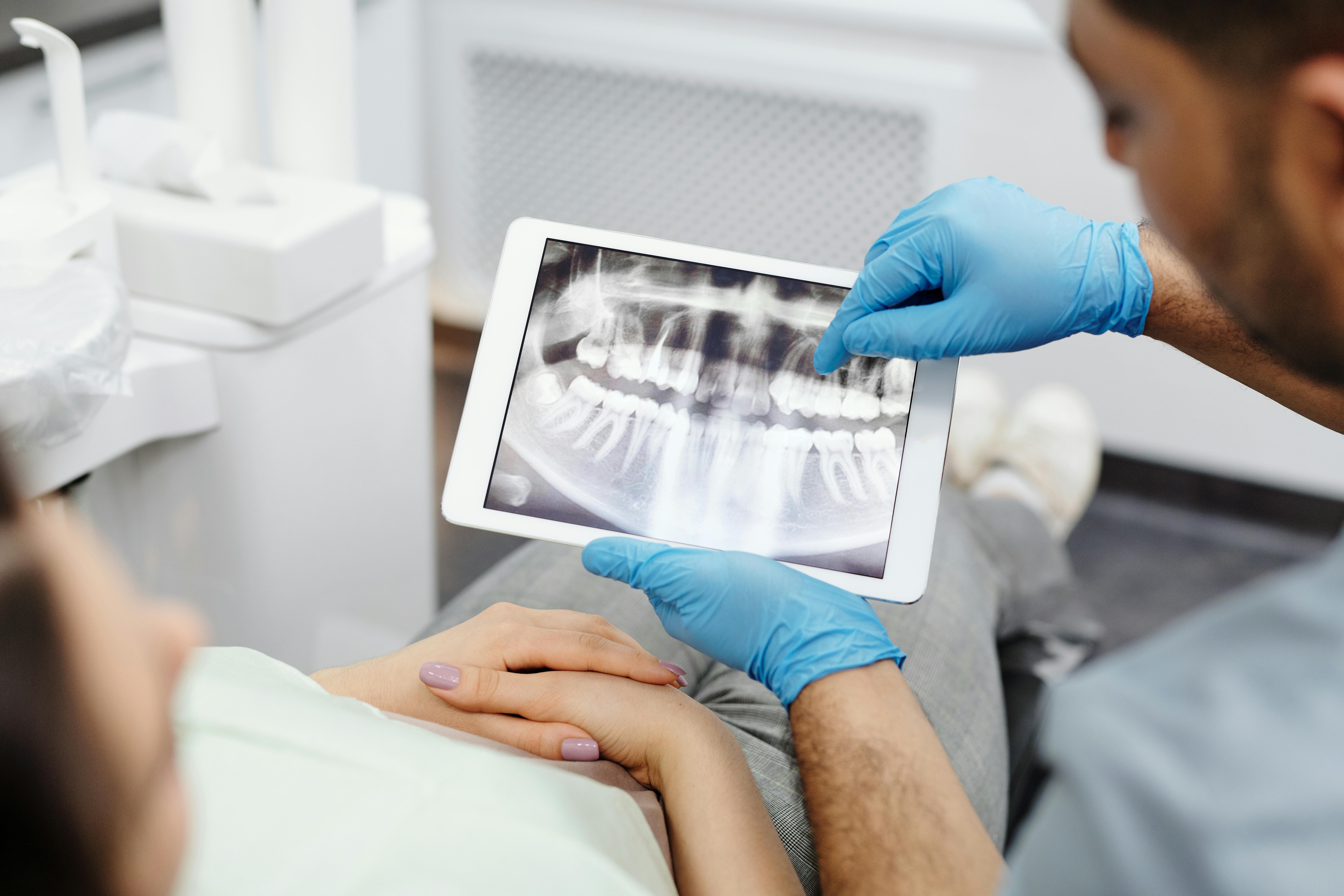
Dental problems rarely arrive on a neat schedule. A crown conversation may start with a tiny crack line that suddenly becomes pain on a Friday night. It may start with sensitivity during an iced drink before a weekend event. It may come up during a routine exam when an old filling, sometimes 10 or 15 years old, shows leakage or decay on an X-ray.
In Los Angeles, people often postpone treatment for understandable reasons. Work deadlines, childcare, traffic, production schedules, travel, and cost all compete for attention. The trouble is that a tooth that can be restored with a crown today may become a root canal case or extraction later if the damage progresses. That is not fear-based messaging, just the pattern many dental offices see every week.
A back tooth with a deep crack can hold together for months, then split further while chewing something routine. A heavily filled molar can seem fine until part of the remaining tooth wall breaks away. When that happens, options can narrow quickly. Saving the tooth becomes more complicated, more expensive, and less predictable.
The everyday confidence factor
People often talk about cosmetic dentistry as if it were only about vanity. That misses the more practical side of smile confidence. Confidence is often just freedom from distraction. It is being able to speak during a presentation without worrying that a dark, broken, or uneven tooth is drawing attention. It is smiling in a family photo without editing your expression. It is eating in public without favoring one side because of a weak tooth.
Front teeth and back teeth affect confidence in different ways. A front tooth crown needs to blend with neighboring teeth in color, translucency, shape, and light reflection. Tiny differences matter there. Back tooth crowns are less visible, but they matter just as much because they carry the force of chewing. If the bite feels off by even a fraction, patients notice it fast.
That is why good crown work is both technical and aesthetic. The restoration has to fit the gumline, contact neighboring teeth correctly, match the bite, and feel natural in the mouth. There is craftsmanship involved. The best results often look unremarkable, which is exactly the point. Nothing calls attention to itself. The tooth simply feels like yours again.
When a crown makes sense, and when it may not
Not every damaged tooth needs a crown, and not every crown recommendation is interchangeable. Judgment matters. A conservative dentist will usually preserve as much natural tooth structure as possible. If a small or moderate cavity can be restored with a filling or an onlay, that may be the better route. On the other hand, using a filling when a tooth really needs a crown can lead to repeated breakage and a cycle of repair that eventually costs more tooth structure.
A few common situations often point toward crowns:
- A tooth has a large existing filling and not much healthy enamel left.
- A crack is causing pain on biting or releasing pressure.
- Root canal treatment has left the tooth more brittle and vulnerable.
- A tooth is severely worn from grinding or acid erosion.
- A front tooth needs major shape and color correction beyond what bonding can predictably provide.
There are also cases where a crown is not automatically the answer. Minor chips on front Dental Crowns Los Angeles CA teeth may respond well to bonding. Some moderate defects can be treated with porcelain onlays or veneers, depending on the tooth and the bite. If a tooth is too deeply fractured below the gumline, a crown may not be enough to save it at all. A thoughtful evaluation should cover the condition of the tooth, the gums, the bite, and the long-term outlook, not just the fastest fix.
Materials matter, but fit matters more
Patients shopping for Dental Crowns Los Angeles CA often focus first on materials, and that makes sense. Material affects appearance, durability, thickness, and in some cases the amount of tooth reduction needed. Still, the single most important factor is not whether a crown is zirconia, porcelain, porcelain fused to metal, or another ceramic. It is whether the case was planned and executed carefully.
That said, material choice is not trivial. Different areas of the mouth have different demands. A front tooth crown usually places a premium on lifelike esthetics. A molar crown often prioritizes strength and bite performance. Patients who grind their teeth heavily may need a different material recommendation than someone with a lighter bite and minimal wear.
Porcelain and ceramic crowns are popular because they can look natural and metal-free. Zirconia is widely used because it is strong and can work well in high-pressure areas. Porcelain fused to metal crowns have a long clinical history, though some patients prefer more modern all-ceramic options for appearance. Each choice has trade-offs. The right one depends on visibility, bite forces, available space, habits like clenching, and the dentist's assessment of what will last best in that specific mouth.
I have seen patients fixate on the most expensive or newest-sounding material when a simpler option would have served them just as well. I have also seen the opposite, where someone pushed for the least expensive path on a highly visible front tooth and later regretted the compromise. A crown should be chosen for the tooth, not for marketing language.
The process, start to finish
For many patients, the crown process feels more manageable once they know what to expect. In a traditional workflow, the first visit usually includes examination, imaging if needed, shaping the tooth, and taking an impression or digital scan. The dentist removes decay or weak structure, builds up the tooth if necessary, and prepares it so the crown can seat properly. A temporary crown is typically placed while the final restoration is being made.
That temporary phase tells you more than people expect. If the temporary feels bulky, traps floss, or throws off the bite, those details are useful. They help refine the final result. A good temporary also protects the prepared tooth and lets you function normally for the short period before delivery.
At the second visit, the final crown is tried in, checked for fit, contacts, bite, and appearance, then cemented. Sometimes adjustments are minor. Sometimes they are more involved, especially for front teeth where shape and shade have to be right in natural light, not just operatory light.
Same-day crowns can shorten the timeline in some offices, and for the right case they can be very convenient. They are not automatically better or worse. What matters is case selection and execution. Some dentists produce excellent same-day work. Others prefer laboratory-made restorations when esthetics are complex or when a ceramist's hand-layering will give a better result. Speed is useful, but precision should lead the decision.
What Los Angeles patients tend to care about most
In many Los Angeles practices, crown discussions come down to four practical concerns: appearance, time, comfort, and longevity. These priorities make sense.
Appearance matters because even subtle differences show up in close social settings and photographs. Time matters because many patients are balancing treatment around demanding schedules. Comfort matters because no one wants to trade one problem for another, especially a high bite or lingering sensitivity. Longevity matters because crowns are an investment, and people want to know they are making a durable choice.
Patients in creative fields, hospitality, law, sales, healthcare, and media often ask versions of the same question: will this look natural, and will I be able to get back to work quickly? Those are fair questions. In most routine cases, patients return to normal activity the same day, though numbness, temporary tenderness, or bite awareness can linger briefly. If the crown is on a front tooth, a little extra time spent discussing shape and shade is almost always worthwhile.
There is also a practical urban reality in Los Angeles. Long commutes and crowded schedules make retreatment especially frustrating. That is why details matter from the beginning. A carefully adjusted bite can save a patient from follow-up discomfort. A well-designed contour can make flossing easier and reduce gum irritation. Good dentistry often shows up later as a lack of drama.
Cost, value, and the question people hesitate to ask
The price of a crown in Los Angeles can vary quite a bit depending on location, material, complexity, lab fees, whether additional treatment is needed, and insurance coverage. Rather than relying on one flat number, it is better to think in ranges and context. A straightforward crown on a healthy tooth is not the same as a crown on a tooth that first needs a buildup, root canal treatment, or gum management.
Patients sometimes feel awkward asking why one office's fee is higher than another's. They should not. It is a reasonable question. The answer may involve the quality of the lab, the dentist's experience with complex esthetic cases, the technology used, the amount of time reserved for precise fitting, or the overall level of follow-up care. Cheapest and best value are not always the same thing.
That said, expensive does not guarantee excellence either. Good questions help. Ask what material is being recommended and why. Ask what happens if the bite feels off after cementation. Ask how visible the crown margin may be in the future. Ask whether a night guard is recommended if you grind your teeth. The goal is not to interrogate the office. It is to understand the treatment you are paying for and how it is meant to hold up in your actual life.
Living with a new crown
A properly done crown should not feel foreign for long. Most patients adapt quickly. The first few days can bring mild sensitivity, especially to temperature or pressure, but that usually settles. The more important issue is bite. If the tooth feels high when you chew, or if you catch yourself avoiding it, do not wait weeks hoping it will disappear. A small adjustment can make a major difference.
Daily maintenance is straightforward, though neglect still catches up with crowns the same way it catches up with natural teeth. A crown cannot decay, but the tooth margin where crown meets tooth can. Gum inflammation around a poorly cleaned crown can also shorten its lifespan and make it look less natural over time.
The habits that protect a crown are not complicated:
- Brush thoroughly at the gumline, especially where the crown meets the tooth.
- Floss daily and slide floss out gently if your dentist gives that instruction for the specific restoration.
- Wear a night guard if you clench or grind, particularly with ceramic crowns.
- Avoid using teeth as tools for opening packaging or cracking hard items.
- Schedule regular exams so small issues are caught before they become expensive ones.
Patients who follow those basics often get many years from a crown. Exact lifespan varies. Some crowns last well over a decade, and some need replacement sooner because of decay at the margin, fracture, heavy grinding, or shifting bite patterns. There is no honest universal number, but careful dentistry and consistent home care usually improve the odds substantially.
The front tooth challenge
Back tooth crowns are often mechanically demanding. Front tooth crowns are mechanically demanding and artistically demanding. That difference deserves respect. Matching one front tooth to the neighboring central incisor or lateral incisor can be surprisingly complex. Natural teeth are not one flat color. They have depth, warmth, translucency near the edge, and surface texture that changes how light reflects.
Patients are often shown a shade guide and assume the choice is simple. It is not. Lighting, skin tone, lip position, surrounding teeth, and even dehydration during the appointment can affect how color reads. This is where strong communication matters. If you are restoring a visible tooth, mention what bothers you specifically. Is it darkness at the gumline, a square shape, a too-opaque look, a gray cast in photos, or uneven length? Those details guide better results than saying, "I just want it to look nice."
The best front tooth crowns do not announce themselves. Friends notice that you look refreshed or polished, not that you had dental work. That level of subtlety usually comes from careful planning, not luck.
Crowns after root canal treatment
One of the most common reasons a patient ends up needing a crown is root canal treatment. Once the nerve is removed and the tooth has often lost significant internal structure from decay or previous restorations, it can become more brittle. Molars and premolars, which absorb substantial chewing forces, frequently benefit from crown coverage afterward.
This is one area where delay can backfire. A patient may feel relief after the root canal and assume the hard part is over, then postpone the crown because the tooth no longer hurts. Months later, the tooth fractures. Sometimes it is still restorable. Sometimes it is not. That is a painful and expensive way to learn that being symptom-free is not the same as being protected.
Front teeth after root canal treatment are a bit more nuanced. Not every front tooth automatically needs a crown. Some can be restored conservatively depending on how much structure remains. Again, the right answer depends on the specific tooth, not a blanket rule.
How to tell if your current crown needs attention
Crowns can fail quietly at first. Patients often assume that if a crown is still attached, it is fine. Sometimes that is true. Sometimes recurrent decay is developing underneath, or the crown margin is opening, or the surrounding gum is staying chronically inflamed.
A crown may need evaluation if you notice persistent sensitivity, pain when biting, food trapping between teeth, floss shredding, a dark line near the gum, bad odor around one area, or a feeling that the crown rocks slightly. None of those signs automatically mean the crown must be replaced, but they should not be dismissed. A simple exam and X-ray can clarify a lot.
Older crowns deserve a little extra scrutiny, especially if they were placed many years ago and oral habits or gum health have changed since then. Dentistry ages along with the rest of the mouth. Materials, bite dynamics, and gum levels all evolve.
Confidence is built on comfort
The most satisfying crown cases are not always dramatic smile makeovers. Often they are the practical repairs that give a patient their routine back. The teacher who can speak all day without worrying about a fractured front tooth. The actor who no longer notices a dark old crown under bright lights. The parent who can chew on both sides again after months of babying one molar. The attorney who stops covering their mouth when they laugh.
That is the real value behind Dental Crowns Los Angeles CA. A crown can certainly improve appearance, but its deeper job is to remove friction from daily life. When it is planned carefully, fitted precisely, and maintained well, it supports the kind of confidence that feels effortless because you are no longer thinking about your tooth at all.
If a dentist has recommended a crown, the best next step is a Dental Crowns Los Angeles CA Dental Crowns Los Angeles CA thorough conversation, not a rushed yes or no. Ask why the tooth needs full coverage, what alternatives exist, what material suits your bite and priorities, and what the long-term expectations are. Good restorative dentistry is rarely about one perfect universal answer. It is about matching the right solution to the real demands of your mouth, your schedule, and your life.
Simple Dental Vermont
Address: 8914 S Vermont Ave, Los Angeles, CA 90044
Phone number: +13239493000
FAQ About Dental Crowns Los Angeles CA
How much do crowns cost per tooth?
In the United States, a single dental crown typically costs between $800 and $2,500 per tooth without insurance. The ultimate out-of-pocket price depends heavily on the crown material, the location of the tooth, and whether you have dental insurance coverage.
What is the downside of crowns on teeth?
The primary downside of a dental crown is that the procedure permanently removes natural tooth enamel to shape the tooth for the cap.
Why do dentists push for crowns?
Dentists recommend crowns because a large filling cannot provide enough strength when a tooth loses a major portion of its structure or faces heavy chewing pressure.