Emergency Dentist Care in Los Angeles CA for Holiday Dental Accidents
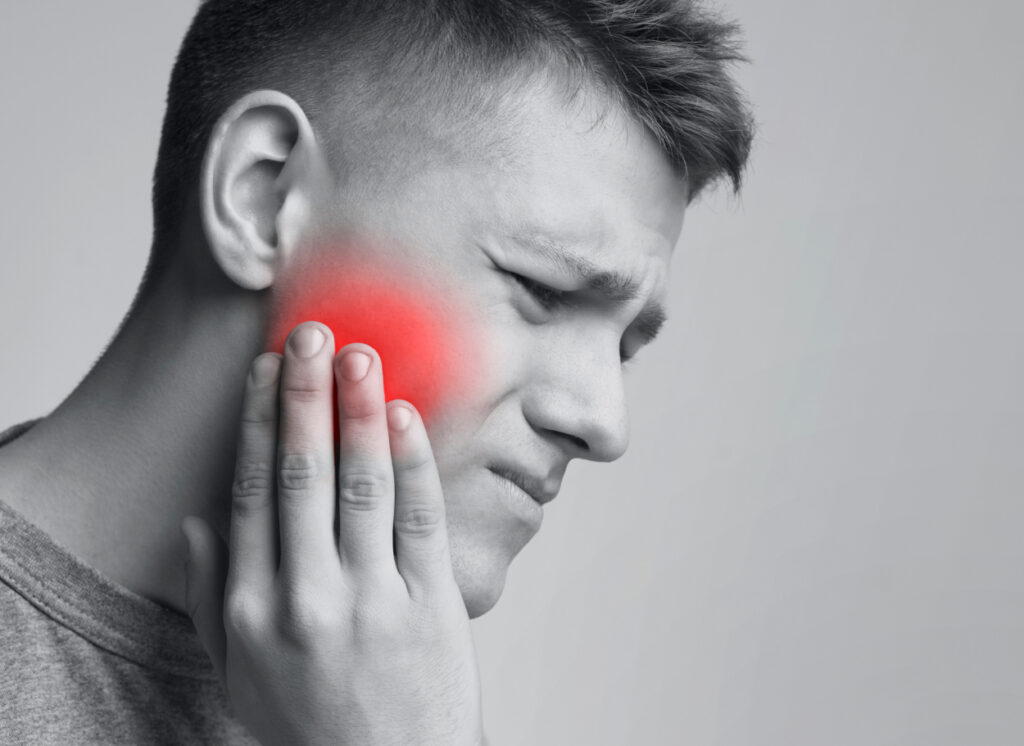
Holiday weekends have a way of loosening routines. Families travel across town, office parties stretch late into the night, kitchens stay busy, and children seem to find fresh ways to test gravity. It is also one of the busiest times for dental emergencies. A cracked molar from a hard candy, a lost crown during a celebratory dinner, a child who takes an elbow to the mouth during a backyard football game, these are not rare stories. Any experienced Emergency Dentist in Los Angeles CA has seen the pattern repeat itself around Thanksgiving, Christmas, New Year’s, Independence Day, and long holiday weekends.
The trouble is not just the injury itself. It is the timing. Regular dental offices often close early or reduce hours. Traffic in Los Angeles can turn a simple drive into an ordeal. Emergency Dentist Los Angeles CA Pharmacies may be crowded. People are away from their usual providers and trying to decide whether to wait, go to an urgent dental clinic, or head straight to an emergency room. Good decisions in the first hour can make the difference between saving a tooth and losing it.
What counts as a true dental emergency during the holidays is not always obvious. A little sensitivity after chewing on ice might be inconvenient but manageable. A knocked-out front tooth, increasing facial swelling, uncontrolled bleeding, or severe pain that keeps someone awake is a different category entirely. Holiday dental accidents are often messy, rushed, and emotional, which makes calm, practical guidance especially important.
Why holiday dental injuries happen so often
The holiday season brings a perfect mix of risk factors. People eat differently, often choosing foods they normally avoid or consume only once a year. Brittle peanut brittle, caramel, candy canes, popcorn kernels, crusty bread, ribs, and nut shells all send patients into emergency dental chairs every year. Alcohol can also play a role. Even moderate drinking can lower coordination and judgment, which leads to falls, sports injuries, or simply biting down too hard on something that should have been cut with a knife.
Children contribute their own predictable set of problems. A child racing through a relative’s living room in socks can collide with a coffee table. Teenagers on bikes, skateboards, or hoverboards often forget that holiday excitement does not protect their teeth. Adults are not exempt. People with old fillings, untreated cavities, previous root canals, or heavy grinding habits may discover that a small weakness becomes a major fracture right in the middle of a holiday meal.
Los Angeles adds its own complications. Long distances between neighborhoods, limited parking, and holiday traffic can delay care. Someone in the Valley may struggle to reach a provider on the Westside in time. A visitor staying near downtown may not know which office handles urgent care after hours. That is why it helps to understand the basics before an accident happens.
The emergencies that should never wait
Not every dental problem needs immediate intervention, but a few situations deserve same-day attention without much debate. Severe tooth pain that builds quickly, especially if it comes with swelling or fever, can signal infection. A knocked-out permanent tooth is time-sensitive. The best chance of saving it usually comes when the tooth is reimplanted as quickly as possible. A cracked tooth with sharp pain on biting may expose the inner tissue and worsen by the hour. Bleeding that does not stop, a jaw injury that affects your bite, or trauma that loosens multiple teeth also deserves prompt evaluation.
The most concerning signs are the ones that suggest the problem is moving beyond the tooth itself. Swelling that spreads into the cheek or under the jaw, difficulty swallowing, trouble opening the mouth, or a bad taste with pus drainage can all point to a more serious infection. At that stage, waiting for the holiday weekend to pass can become risky.
If there is ever doubt between a dental emergency and a medical emergency, breathing trouble, facial trauma with suspected fractures, loss of consciousness, or heavy bleeding belong in an emergency room first. A good Emergency Dentist can treat teeth and oral injuries, but a compromised airway or major facial injury needs hospital-level care.
The first 30 minutes matter more than most people realize
What people do at home or at the scene of the accident often shapes the outcome. I have seen saveable teeth dry out in a paper towel because someone thought that was protecting them. I have also seen chipped teeth turn into painful fractures because a person tried to “test” the tooth several times by biting on it.
For most holiday dental accidents, the goal is simple: control damage, reduce contamination, and get professional help fast. Rinsing gently with clean water can remove debris. Cold compresses on the outside of the face help with swelling. Over-the-counter pain medication may help, assuming the person can safely take it and follows label instructions. What usually makes the biggest difference is avoiding home remedies that sound clever but backfire, such as gluing a crown back with hardware adhesive or placing aspirin directly on the gum, which can burn tissue.
Here is the short version of what to do while you arrange urgent care:
- If a permanent tooth is knocked out, pick it up by the crown, not the root, rinse it briefly if dirty, and try to place it back in the socket or keep it in milk until you reach a dentist.
- If a tooth breaks, save any pieces you can find, rinse your mouth gently, and avoid chewing on that side.
- If a crown or filling falls out, keep the restoration if you still have it and protect the tooth from pressure and extreme temperatures.
- If there is swelling or bleeding, use clean gauze and a cold compress, and monitor for signs that the problem is becoming medical, not just dental.
- Call an Emergency Dentist Los Angeles CA office that offers same-day or after-hours care, and describe the injury clearly so the team can advise you.
Those steps sound basic, but they prevent common mistakes. A knocked-out tooth that stays moist has a far better chance than one that dries out on a napkin. A fractured molar that is left alone may be repairable, while the same tooth can split below the gumline after a few experimental bites on a dinner roll.
Knocks, cracks, and chips during family gatherings
The most dramatic holiday calls usually involve trauma. A child trips on patio steps. An uncle gets hit in the face with a basketball. A tipsy guest misses a stair and lands awkwardly. Front teeth take the brunt of these accidents because they sit in the impact zone. Even when a tooth looks “only chipped,” the injury may extend deeper than the visible damage suggests. Teeth can crack vertically, shift in the socket, or suffer nerve trauma that shows up hours later as discoloration or intense sensitivity.
In Los Angeles, one challenge is deciding whether to fight holiday traffic immediately or watch the situation for a little while. With front-tooth trauma, it is usually smarter to move quickly. Cosmetic damage matters, of course, but so does the chance of stabilizing the tooth and preventing further injury. A loose tooth in a teenager or adult may sometimes be splinted. A pulp exposure, where the inner tissue is visible, needs urgent protection. Children with baby teeth require a different approach because the treatment plan has to consider the developing adult teeth underneath.
Soft tissue injuries often get overlooked in the rush to assess the tooth itself. Cuts to the lip, gum, or tongue can bleed heavily because the mouth is so vascular. Many heal well, but they still need to be cleaned and evaluated. A deep lip laceration may hide a tooth fragment embedded in the tissue. Dentists who treat trauma look for that specifically.
Holiday foods are harder on weakened teeth than people expect
There is a reason emergency visits climb after big meals and candy-heavy weekends. Teeth rarely fracture out of nowhere. Most have some history behind them, an old large filling, recurrent decay under a crown, hairline cracks from years of grinding, or a root canal tooth that has become more brittle over time. Holiday foods simply expose those vulnerabilities.
Sticky candy is notorious for dislodging crowns and temporary restorations. Hard candy breaks cusps. Unpopped popcorn kernels crack molars. Even something as ordinary as chewing ice from a party drink can finish off a tooth that was already failing. Patients often say, “I was just eating bread,” and that can be true. By the time a weakened tooth gives way, it may not take much force at all.
This is where professional judgment matters. Some broken teeth can be smoothed and restored later. Others need same-day treatment because the fracture line compromises the tooth structure or exposes the nerve. Pain is helpful information, but it is not the whole story. I have seen teeth with minimal pain that were fractured badly enough to need extraction, and others with severe pain that responded well once a simple temporary seal was placed.
Lost crowns, broken fillings, and old dental work at the worst possible time
A surprising number of holiday emergencies involve dental work that had been functioning for years. People are often caught off guard because nothing hurt before the event. Then a crown comes off while eating caramel, or a filling breaks beneath a tough piece of meat, leaving a jagged edge that slices the tongue every time they speak.
In those cases, people want to know whether they can wait a few days. Sometimes they can. A lost filling in a back tooth with mild sensitivity may be stable until the office reopens, especially if the area is kept clean and not used for chewing. A lost crown on a tooth with little remaining structure is less forgiving. The underlying tooth can shift, become painfully sensitive, or fracture further. If the crown is on a front tooth, function and appearance both add urgency.
The practical problem during holidays is access to materials and follow-up. Temporary cements from a pharmacy can help in some cases, but only if the fit is straightforward and the person understands that it is truly temporary. If the crown no longer seats fully, forcing it back into place can create a bigger problem. An Emergency Dentist will usually check the fit, evaluate decay or fracture underneath, and decide whether the crown can be recemented, replaced temporarily, or whether a different treatment is safer.
When pain signals infection, not just irritation
Toothaches have a way of hijacking an entire holiday. A deep, throbbing ache that worsens when lying down, pain that radiates into the ear, or a tooth that becomes exquisitely sensitive to heat may indicate an inflamed or dying nerve. If swelling follows, the concern rises significantly. Infections in the mouth can spread, and they do not respect holiday schedules.
People often ask whether antibiotics alone will solve the problem. Sometimes they are part of the answer, but they are rarely the whole answer. If pressure is building inside a tooth or abscess, the source usually needs to be drained, opened, extracted, or treated with root canal therapy depending on the diagnosis. Delaying definitive care can lead to a cycle where symptoms improve briefly and Continue reading then return worse than before.
Los Angeles patients also deal with the practical issue of pharmacy access during holidays. Even when a prescription is appropriate, it may take time to find an open location. That is another reason prompt evaluation matters. An emergency dental office that sees you early in the day gives you more treatment options than a late-night scramble after pain has escalated.
Choosing the right emergency dental help in Los Angeles
Searching for urgent care while someone is in pain is not ideal, but people do it every day. The key is to find a provider who truly handles emergencies rather than simply answering the phone. A reliable Emergency Dentist Los Angeles CA office should be able to tell you what kinds of problems they treat, whether they offer same-day appointments, what hours they keep around holidays, and whether they can manage trauma, infections, broken teeth, and lost restorations.
It also helps to know the difference between a dental urgent care visit and a hospital emergency room. Hospital ERs are essential for severe swelling that affects breathing, major facial trauma, or systemic illness. They are usually not set up to perform definitive dental procedures like root canals, crown recementation, or splinting a loose tooth. For many holiday dental accidents, seeing an Emergency Dentist first is the fastest route to actual treatment.
Ask clear questions when you call. Can they take digital X-rays on site? Do they treat children if the injury involves a minor? What forms of payment do they accept if your regular office is closed and you cannot verify coverage immediately? A good front desk team can save time by telling you whether to come in right away, whether to go to a hospital first, and what to bring.
What treatment might look like once you arrive
Emergency dental care is not always a full final repair in one appointment. Sometimes the goal is to stabilize the situation, relieve pain, and protect the tooth until a planned follow-up. That can mean smoothing a sharp fracture, placing a sedative filling, draining an abscess, recementing a crown, repositioning and splinting a traumatized tooth, or beginning root canal treatment if the pain source is obvious and the timing allows.
Patients sometimes feel disappointed when they do not leave with a perfect cosmetic result the same day, especially after a visible front-tooth injury. But in emergency care, preserving tooth structure, preventing infection, and controlling pain come first. Final bonding, veneers, or custom crowns often come after the tissues settle and the long-term prognosis is clearer.
That said, many holiday emergencies can be resolved surprisingly well in one visit. A clean chip may be bonded. A crown may be reattached. A painful tooth may be diagnosed and treated quickly enough that the rest of the holiday is salvageable. The best outcomes usually come when the patient sought care before the situation spiraled.
Preparing before the holidays makes emergencies easier to manage
The least glamorous advice is often the most useful. If you already know you have a loose crown, a cracked filling, or a tooth that hurts off and on, have it checked before holiday travel or a major family event. Small dental problems are notorious for turning into big ones on long weekends.
A few simple preparations also help families respond better when something unexpected happens:
- Keep your regular dentist’s number, a local Emergency Dentist number, and your dental insurance information easy to access.
- Stock clean gauze, a small container with a lid, and over-the-counter pain medication that you know you can take safely.
- If your child plays sports at holiday gatherings, bring a mouthguard if the activity is more than casual.
- Avoid using your teeth as tools for opening packages, bottles, or decorations, a common source of chipped teeth in December.
- If you grind your teeth, pack your night guard when traveling, because stress, alcohol, and unfamiliar beds often make clenching worse.
Those habits are not dramatic, but they cut down on the number of preventable emergencies.
A calmer holiday starts with knowing when to act
Dental emergencies have a way of making people feel helpless, especially when they happen after hours or far from a familiar office. Most of the time, though, the situation improves once someone makes a few sound decisions quickly. Protect the injured area, keep any tooth or restoration you can recover, avoid improvised fixes, and reach a qualified Emergency Dentist without unnecessary delay.
Holiday accidents in Los Angeles are rarely convenient, but they are manageable. The city has experienced emergency dental providers, and timely care can often preserve teeth, control pain, and keep a festive interruption from becoming a lasting problem. When the warning signs are clear, swelling, severe pain, trauma, bleeding, or a knocked-out tooth, trust them. Waiting it out may cost more than just comfort. It can cost the tooth itself.
Simple Dental Vermont
Address: 8914 S Vermont Ave, Los Angeles, CA 90044
Phone number: +13239493000
FAQ About Emergency Dentist Los Angeles CA
What can the ER do for a tooth?
The emergency room can provide temporary symptom relief for a bad tooth, such as prescribing pain medicine or antibiotics, but it cannot fix the actual dental problem.
What is the 3-3-3 rule for tooth infection?
The 3-3-3 rule for a toothache or infection typically means taking three 200 mg ibuprofen tablets (600 mg total) three times a day for no more than three days to control pain and swelling while waiting to see a dentist.
What do you do if you have a dental emergency but no dentist?
If you have a dental emergency and no regular dentist, you should search for an urgent care dental clinic, call local walk-in dental offices, or go to a hospital emergency room if you have severe bleeding, swelling, or trouble breathing.