The Role of Dental Crowns in Los Angeles CA Cosmetic Dentistry

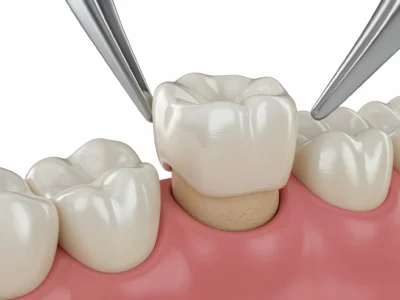
A well-made dental crown can change more than a tooth. It can change how a person smiles in photographs, how they speak in meetings, and whether they stop covering their mouth when they laugh. In cosmetic dentistry, crowns occupy an interesting space because they are both artistic and functional. They can restore a tooth that has been damaged, but they can also reshape a smile in a way that looks natural, balanced, and durable.
That balance matters in a city like Los Angeles, where appearance is often tied to confidence and professional presence. Patients who ask about Dental Crowns Los Angeles CA are not all looking for the same thing. Some want to repair a fractured front tooth after a fall. Some have old metal restorations that show when they smile and want a cleaner, more modern look. Others are trying to correct worn, discolored, or misshapen teeth after years of grinding, acid erosion, or repeated dental work. The crown is often the restoration that brings all those goals together.
Crowns are not a cosmetic shortcut for every problem, and good dentists do not present them that way. They are one tool in a larger treatment plan, sometimes the right one, sometimes not. Their role in cosmetic dentistry becomes clear when you understand what a crown can actually do, when it should be used, and why the quality of planning matters more than the material brochure in the waiting room.
What a dental crown really does
A crown is a custom-made cover that fits over a prepared tooth. It restores shape, strength, contour, and appearance. That sounds simple, but the implications are significant. A crown can make a short tooth look proportionate, close visual asymmetry between matching teeth, improve color uniformity, and rebuild a tooth that has lost too much structure for a filling or veneer to predictably handle.
In cosmetic cases, the front surface gets the attention, but the sides, edges, and bite are just as important. A crown that looks beautiful in a still photo can become a problem if it is too bulky, too opaque, or slightly off in the bite. Patients notice this quickly. They may say the tooth feels “high,” catches on the lip, or looks flat under indoor light. That is why crown dentistry at a high level is not only about shade selection. It is about integrating a restoration into the whole face, smile line, and Dental Crowns Los Angeles CA chewing pattern.
The strongest cosmetic result is often the one nobody notices as dental work. The crown does not draw attention to itself. It reflects light like a natural tooth, fits the gum tissue without irritation, and aligns with nearby teeth without looking copied and pasted.
Why crowns matter so much in cosmetic dentistry
Cosmetic dentistry is often associated with whitening, bonding, or veneers, but crowns are frequently what make a smile makeover stable. Whitening can brighten enamel. Bonding can repair a small chip. Veneers can improve the front surface of a tooth when enough healthy structure remains. A crown becomes important when the tooth needs full coverage because appearance alone is not the only issue.
That distinction comes up often with heavily filled teeth, root canal treated teeth, cracked teeth, and teeth that have worn down over time. If a tooth is structurally compromised, a cosmetic fix that ignores the mechanics will not hold up well. Patients sometimes come in asking for “something that looks better,” but the better question is whether the tooth can support that result for years, not months.
In Los Angeles practices that see a lot of cosmetic work, crowns are also common in complex cases where a patient is replacing old dentistry from the 1990s or early 2000s. Those older restorations may still function, but their margins stain, metal edges begin to show, or the shapes no longer match the rest of the smile. Replacing them with modern ceramic crowns can create a dramatic improvement, especially when the surrounding teeth have also been whitened or refined.
The cosmetic problems crowns can solve
Crowns can address a broad range of concerns, but they are particularly valuable when a tooth needs both reinforcement and aesthetic correction. A front tooth that has darkened after trauma is a classic example. Bleaching may not produce enough improvement, and a veneer may not hide the discoloration if the underlying tooth is severely dark. A crown can mask the color and rebuild the contour in one restoration.
They also help in cases of advanced wear. Teeth that have become shorter from grinding often age the smile. The edges disappear, the face can look more collapsed, and speech may subtly change. Restoring worn teeth with crowns, often alongside bite adjustment and a protective night guard, can bring back youthful tooth length and improve function at the same time.
Another common use is reshaping teeth that are naturally small, rotated, or unevenly spaced when orthodontics alone will not solve the whole issue. Sometimes a patient has completed clear aligner treatment but still has irregular tooth proportions or old fillings that stand out. Crowns may be used selectively, often on the most compromised teeth, to complete the aesthetic result.
Crowns are not interchangeable with veneers
Patients often compare veneers and crowns because both can improve the appearance of front teeth. The difference is substantial. Veneers cover mainly the front surface and require less reduction when the tooth is otherwise healthy. Crowns surround the tooth more completely and are better suited for teeth that are weakened, heavily restored, or extensively discolored.
There is a cosmetic temptation to use crowns too aggressively because they can change almost everything about a tooth. An ethical dentist resists that temptation when a more conservative option can do the job. Preserving natural tooth structure matters. Once a tooth is prepared for a crown, it will always need some form of full-coverage restoration in the future.
That does not make crowns a last resort. It makes them a serious restorative commitment. In the right case, they are absolutely the best option. In the wrong case, they are more treatment than necessary. Good cosmetic dentistry depends on making that call honestly.
Materials matter, but not in the way many patients assume
Patients often arrive having read about zirconia, porcelain, E-max, or “all-ceramic” crowns and want to know which one is best. The honest answer is that there is no single best material for every tooth. The location of the tooth, the patient’s bite force, parafunctional habits like grinding, and the cosmetic demand all influence the choice.
For highly visible front teeth, lifelike translucency is often the priority. For back teeth under heavy load, strength may take precedence. Sometimes a dentist chooses one material for the upper front teeth and another for posterior teeth. That is not inconsistency. It is tailoring the restoration to the job.
A crown material can be excellent on paper and still fail aesthetically if the tooth preparation is poor or the lab communication is weak. I have seen average materials look beautiful in skilled hands and premium materials look artificial when the contours were overbuilt. Material matters, but design, fit, and craftsmanship matter just as much.
The Los Angeles factor: aesthetics are scrutinized more closely
Cosmetic dentistry in Los Angeles operates under a brighter spotlight than in many other cities. Patients often have a strong visual standard. They bring reference photos, compare digital smile designs, and expect restorations to look polished under everything from office lighting to high-resolution camera lenses. That expectation is not superficial. It reflects how much social and professional confidence can be tied to appearance.
This environment pushes dentists and labs to pay close attention to subtle details: incisal edge translucency, surface texture, line angles, and how the gums frame each tooth. A crown that would be considered perfectly acceptable in a purely functional setting may not satisfy a cosmetic patient here if it looks too monochromatic or too round.
That said, there is a difference between “white teeth” and a convincing smile. Some of the most successful cosmetic crown cases in Los Angeles do not aim for an ultra-bright, uniform look. They aim for harmony. The color matches the complexion, the tooth shapes suit the face, and the restorations do not announce themselves. Natural beauty often ages better than extreme brightness.
What good crown planning looks like
Before a tooth is ever prepared, the planning phase should answer several questions. How will the new crown relate to the gum line? Will the bite place excessive force on the restoration? Is the tooth healthy enough to support long-term success? If multiple front teeth are involved, how will they work together as a group?
This is where photographs, study models, digital scans, and provisional restorations become valuable. Temporary crowns are not just placeholders. In cosmetic cases, they can act as a trial run for shape, length, and speech. A patient who feels that the front teeth look too square or too long can often give that feedback before the final crowns are made. That back-and-forth is one of the most practical ways to avoid disappointment.
The best cosmetic crown cases are usually not rushed. They may look effortless at delivery, but behind that moment there has often been careful planning between the dentist, patient, and laboratory technician. When the communication is Dental Crowns Los Angeles CA strong, the result feels specific to the person rather than generic.
Signs a crown may be the right cosmetic choice
Not every smile concern calls for a crown, but certain patterns point in that direction:
- The tooth has a large existing filling or prior root canal treatment.
- A crack, fracture, or major wear has weakened the tooth.
- Deep discoloration cannot be predictably masked with whitening or a veneer.
- The tooth shape and structure need major correction, not just surface refinement.
- Older crowns or failing restorations are compromising the appearance of the smile.
These are not automatic rules, but they are common reasons crowns become part of a cosmetic treatment plan.
The blend of art and mechanics
When people think about cosmetic dentistry, they usually focus on appearance. What they often do not see is how mechanical precision supports that beauty. The margin of the crown has to seal properly. The contact with adjacent teeth has to feel right. The bite has to distribute force in a way that does not overload the crown or neighboring teeth. If any of those details are off, the cosmetic result can deteriorate faster than expected.
A practical example is the patient who grinds heavily at night. Their new ceramic crowns may look excellent on day one, but without bite management they are at higher risk for chipping, loosening, or causing wear on opposing teeth. In those cases, part of good cosmetic dentistry is recommending a night guard and being upfront about the maintenance that protects the investment.
Similarly, gum health cannot be treated as an afterthought. Crowns placed in the aesthetic zone need healthy, stable tissue around them. If a patient has inflammation, recession, or uneven gum contours, that should be addressed as part of treatment planning. A beautiful crown framed by irritated gums will never look fully natural.
What patients should expect during the process
The timeline for a crown varies by case. Some offices use same-day milling for selected cases, while others rely on a laboratory for final fabrication. For highly cosmetic anterior work, lab-made crowns are often preferred because they allow for more detailed layering and characterization. That can mean two or more appointments rather than one.
A typical process includes examination, imaging, and shade planning, followed by tooth preparation and a temporary crown. Then comes a period of refinement. Patients wear the temporary, test the look and feel, and return for delivery of the final crown once adjustments have been made at the lab stage. If several front teeth are being restored, that process may take longer because symmetry and speech need time to evaluate.
This is one area where setting expectations clearly helps. Crowns can produce impressive cosmetic change, but they are not a fashion accessory that can be swapped casually. Patients who understand the sequence and the reasons behind it usually feel more comfortable and more satisfied with the outcome.
Questions worth asking before committing
A cosmetic crown case tends to go better when patients ask informed questions early. A few of the most useful are:
- Is a crown the most conservative option for this tooth, or could a veneer or bonding work?
- What material do you recommend for my case, and why?
- Will I be able to preview the shape with a temporary or mock-up?
- How will this crown match my surrounding teeth under different lighting?
- What maintenance or protective measures will I need afterward?
These questions shift the conversation from sales language to treatment judgment, which is exactly where it should be.
Longevity, maintenance, and realistic expectations
A dental crown is durable, but it is not permanent in the absolute sense. Its lifespan depends on material, fit, oral hygiene, bite forces, and habits such as clenching, chewing ice, or using teeth as tools. In many well-maintained cases, crowns last for years, sometimes well over a decade. Some need replacement sooner because the underlying tooth changes, the margin leaks, or the cosmetic standards evolve.
That last point is more common than people expect. A patient may have a crown that is clinically serviceable but no longer matches adjacent teeth after whitening or additional dental work. Cosmetic dentistry is dynamic. A crown does not exist in isolation from the rest of the smile.
Maintenance is straightforward but important. Daily home care, regular cleanings, and prompt attention to sensitivity or gum irritation go a long way. If a temporary crown ever comes loose during treatment, that also deserves prompt follow-up. Temporary restorations protect the prepared tooth and help preserve the plan for the final result.
When crowns are not the best answer
Crowns can do a great deal, but restraint is part of expertise. If a patient has healthy enamel and wants a modest shape correction, a crown may be too aggressive. If the main concern is tooth position, orthodontics may solve the problem more conservatively. If discoloration is mild, whitening or conservative bonding may be enough.
There are also cases where expectations need calibration. A single crown on a front tooth can look excellent, but matching one central incisor perfectly to a natural neighboring tooth is among the hardest tasks in aesthetic dentistry. Light, translucency, age-related wear, and natural asymmetry all affect perception. Good dentists discuss these challenges honestly rather than promising flawless replication.
That honesty matters. Cosmetic dentistry is at its best when it combines possibility with realism.
The bigger role crowns play in smile confidence
For many patients, the crown is the final step that allows them to stop thinking about a tooth altogether. They no longer angle their head in photos. They stop checking whether a dark old restoration shows when they speak. They stop worrying that a cracked tooth will break at the wrong moment. That psychological shift is easy to underestimate, but it is one of the strongest arguments for high-quality restorative cosmetic work.
In the context of Dental Crowns Los Angeles CA, the demand is not simply for stronger teeth. It is for restorations that hold up in close conversation, on camera, and over time. That requires more than technology. It requires judgment, conservative planning, careful lab collaboration, and an eye for what makes a smile believable.
A crown should never look like a crown. It should look like the tooth always belonged there, only healthier, more balanced, and more secure. When cosmetic dentistry reaches that standard, the restoration disappears and the person comes forward. That is the real role of dental crowns, not just in Los Angeles, but anywhere appearance and function need to meet without compromise.
Simple Dental Vermont
Address: 8914 S Vermont Ave, Los Angeles, CA 90044
Phone number: +13239493000
FAQ About Dental Crowns Los Angeles CA
How much do crowns cost per tooth?
In the United States, a single dental crown typically costs between $800 and $2,500 per tooth without insurance. The ultimate out-of-pocket price depends heavily on the crown material, the location of the tooth, and whether you have dental insurance coverage.
What is the downside of crowns on teeth?
The primary downside of a dental crown is that the procedure permanently removes natural tooth enamel to shape the tooth for the cap.
Why do dentists push for crowns?
Dentists recommend crowns because a large filling cannot provide enough strength when a tooth loses a major portion of its structure or faces heavy chewing pressure.